Free US shipping over $150 · American-made research peptides

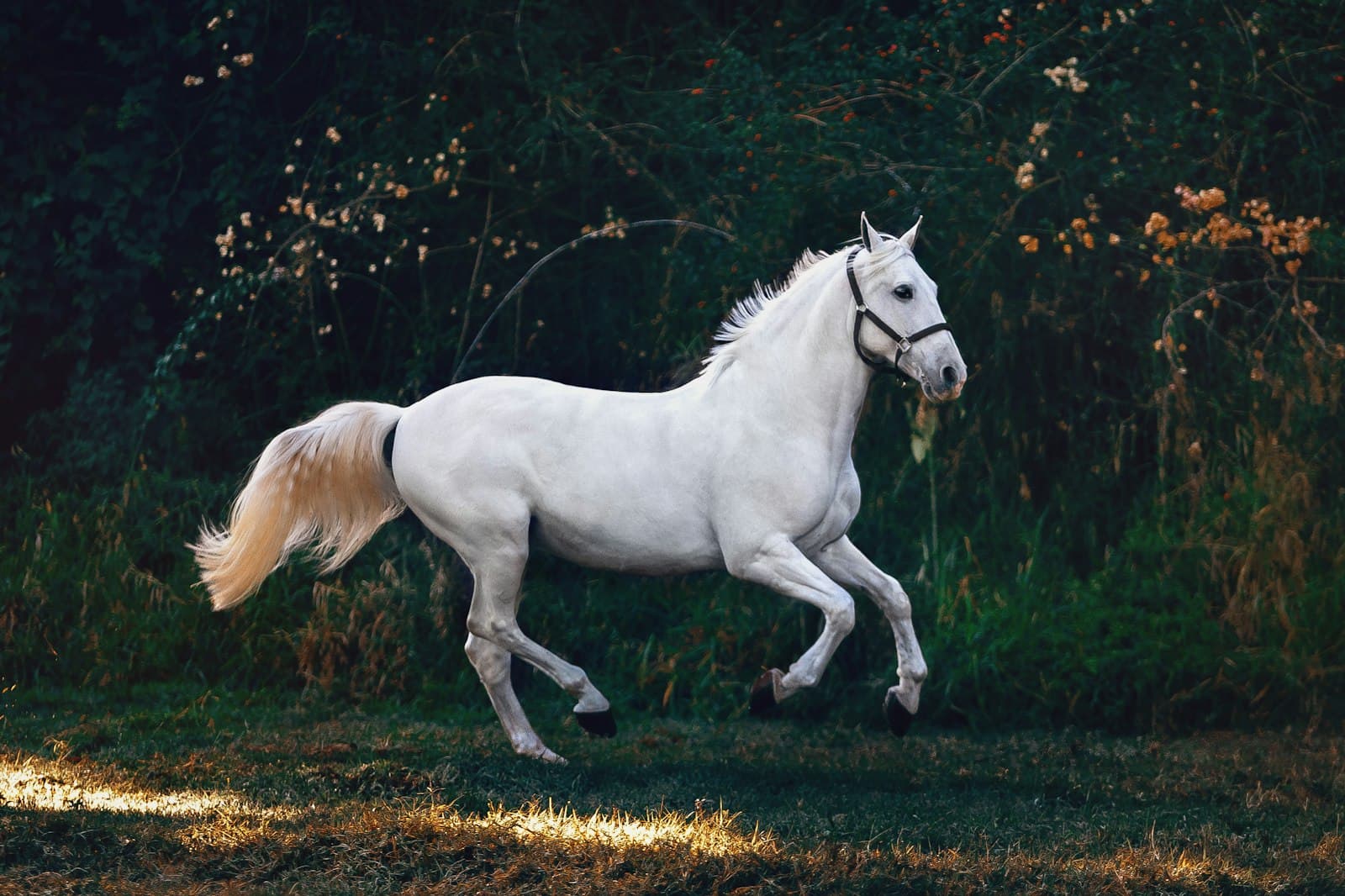
A white horse moving across a dark pasture

Fig. 01 — every lot ships with a certificate of analysis.

Companion-animal research

TB-500

The mobility peptide behind the soft-tissue research.

$84.99$101.995 mg
  • Third-party tested
  • American made
  • Certified lab

Important: This product is a peptide compound sold as an animal supplement. It has not been evaluated by the FDA and is not intended to diagnose, treat, cure, or prevent any disease. This product is not a substitute for veterinary care. Always consult a licensed veterinarian before giving any supplement to your animal. For animals only — not for human use.

The research context

TB-500 is a synthetic fragment of thymosin beta-4, a protein involved in cellular repair pathways. Preclinical studies have examined its role in supporting the body's natural recovery processes in soft tissue, making it a frequent subject of equine and canine mobility research. Produced in a certified US lab, third-party verified.

Questions about whether TB-500 fits your animal's situation are for your veterinarian — they know the history, and the literature is preclinical.

Questions

About TB-500

What is TB-500?

TB-500 is a synthetic version of the active region of thymosin beta-4, a naturally occurring protein studied for its role in cellular migration and tissue maintenance.

Why is TB-500 studied in horses?

Equine researchers have long been interested in soft-tissue recovery because of the demands placed on performance horses. Much of the TB-500 literature involves equine and laboratory animal models.

Can TB-500 and BPC-157 be researched together?

They are frequently discussed together in the literature because their studied pathways differ. Our Recovery Stack pairs them in a single blend for research convenience.

How should I store TB-500?

Store lyophilized peptide in a cool, dry place away from direct light. Your veterinarian can advise on handling for your specific use.

We don't publish protocols or usage guidance. For community research reports, we like The Pet Peptide Ledger. A community-run research library we read ourselves.

Also researched

Full collection
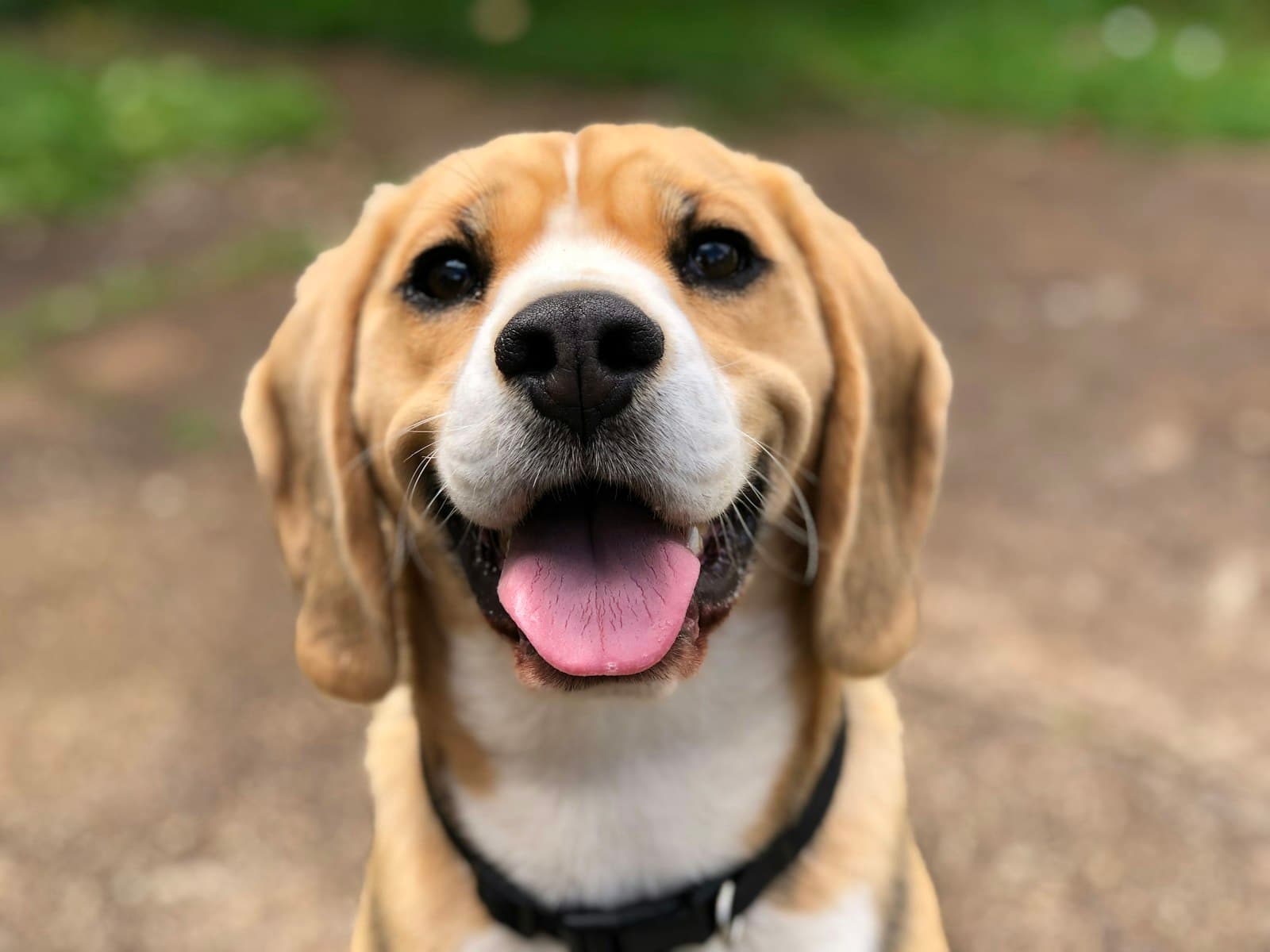
A beagle mid-pant, looking up at the camera

No. 01

Companion-animal research

BPC-157

The gut-and-tissue research peptide, studied for recovery.

What the research shows

The most direct companion-animal evidence is a pharmacokinetic study in beagle dogs, which mapped how the compound moves through the body. The wider literature is rodent: rat tendon and gut-lining models dominate, with consistent signals around the body's normal recovery processes. Controlled outcome trials in dogs and cats do not exist yet. That gap is why we suggest reading the studies with your veterinarian.

$84.99$101.992 sizes
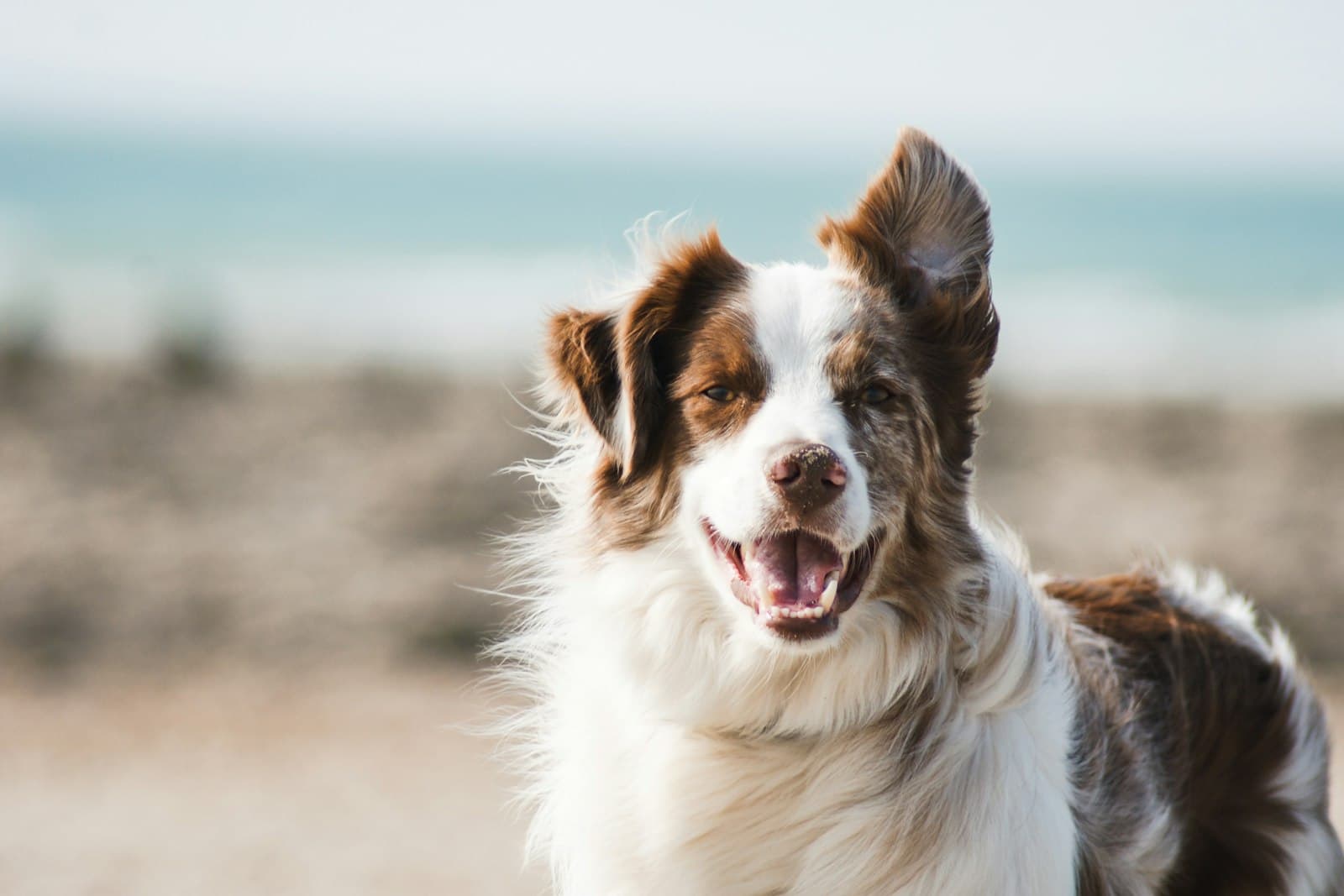
A border collie on a windy beach

No. 02

Companion-animal research

The Recovery Stack

BPC-157 + TB-500, together in one vial — the most-studied pairing.

What the research shows

The pairing appears throughout the literature because the two sequences are studied for complementary pathways: gut lining and tissue maintenance on one side, soft-tissue mobility on the other. Each compound has its own preclinical record, mostly rodent and in-vitro. The blend itself has not been studied as a combination in companion animals. We say that plainly so you can weigh it with your veterinarian.

$129.99$155.99
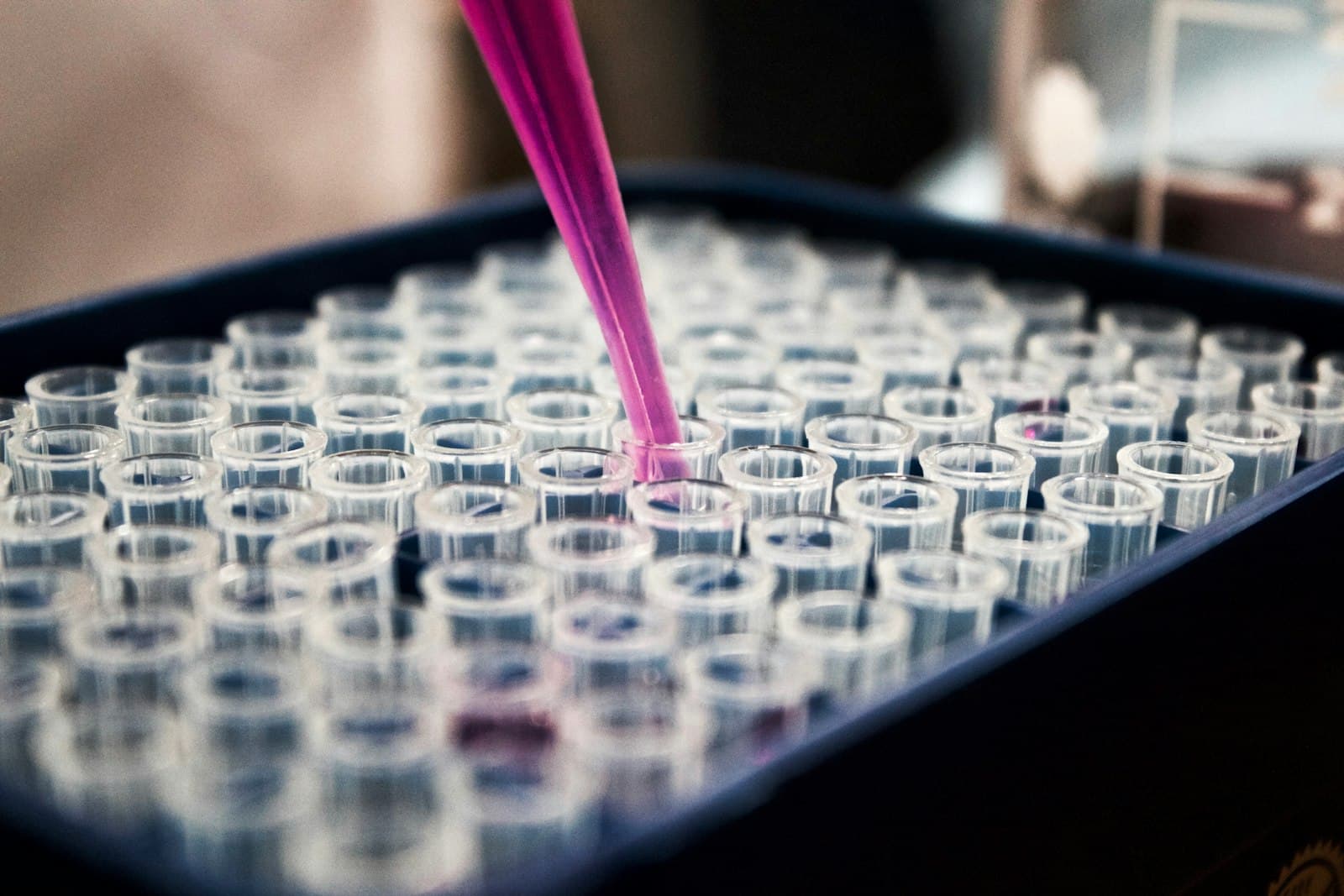
Sample tubes in an analytical laboratory

No. 03

Companion-animal research

KPV

The tripeptide at the center of gut-and-immune research.

What the research shows

KPV is a tripeptide from the alpha-MSH sequence, studied in cell and rodent models for its relationship to balanced inflammatory signaling and gut-lining integrity. The intestinal models are the most developed part of the literature. Published work in cats and dogs covers pharmacology, not outcomes. We read it as promising early science, not settled fact.

$84.99$101.992 sizes

TB-500 pricing ranges from $84.99 to $119.99.